
Live dealer floors have grown up fast, and the spectacle games that borrow from Crazy Time now sit front and centre on many platforms. These shows blend a spinning wheel with bonus rounds, flashing screens and a host who keeps the pace moving. For an Australian player weighing a session on a mobile device, the real question is not whether the lights look good, but whether the maths, the interface and the payment flow actually hold up when the arvo crowd logs on.
What Makes the Format Tick
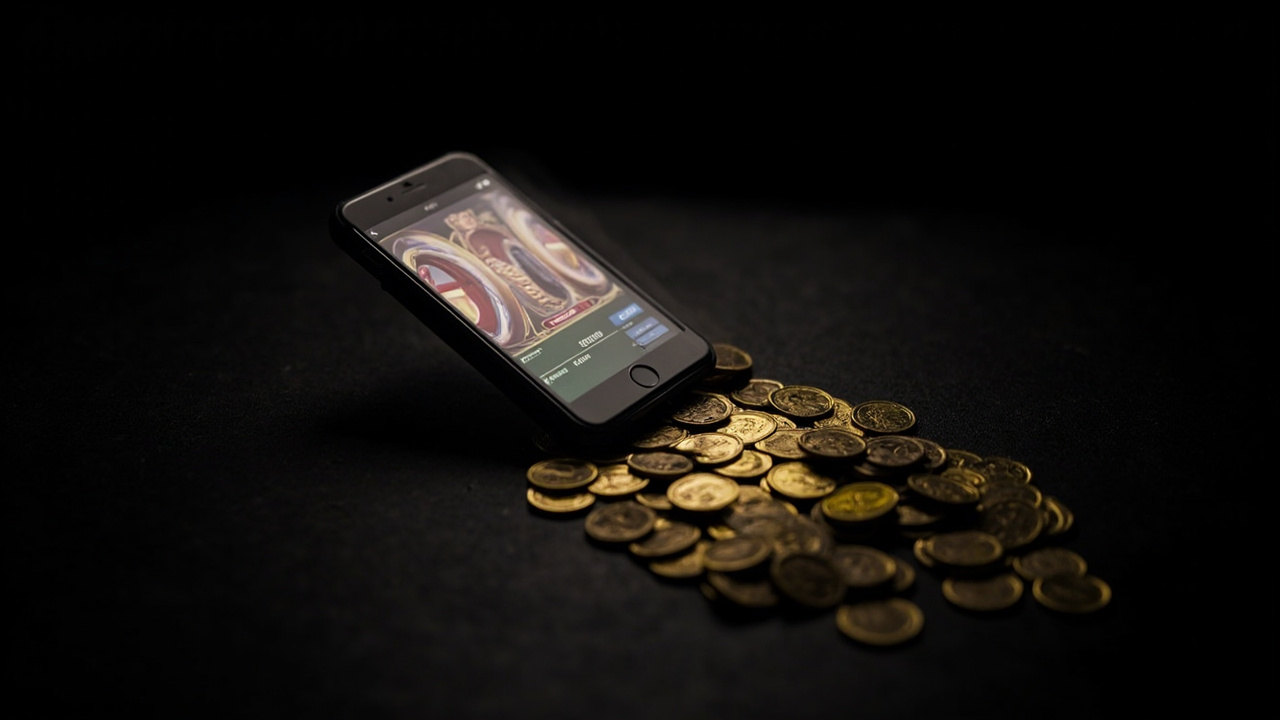
The core loop is straightforward: a wheel with labelled segments spins, and certain stops trigger bonus lanes that run their own mini-games. The house edge lives in the segment distribution and the payout table, so two shows that look identical on screen can pay very differently once you map the probabilities. In applied mathematics terms, the expected value on a straight number bet is usually thinner than the bonus-triggered variance, which is why some players chase the bonus lanes and others stick to the outer bets. The production side matters here too, because a host who reads the room and keeps the spins paced changes how often you actually see a bonus trigger in a single session. Skywind content teams have long argued that pacing and visual clarity matter as much as raw RTP, and that instinct carries over to these live formats where a cluttered screen can hide the very odds you are trying to judge.
Mobile Usability and Session Control
The first thing most Australian players notice is how the table renders on a phone. A well-built live table should reflow without squashing the wheel, keep the bet buttons within thumb reach, and load the stream quickly even on mid-range connections. Responsiveness is not just about fitting the screen; it is about whether you can place a bet, watch the spin and read the result without zooming or scrolling. Performance matters because a laggy stream can make a bonus round feel disjointed, and that breaks the rhythm that makes these games work in the first place. Navigation should let you switch between tables, check your balance and find the bonus rules without hunting through nested menus. A mobile-first fit also means the bet slip and the history panel stay readable while the wheel is spinning, so you are not guessing what just landed.
The second layer is session control and bankroll clarity. A sensible table shows your stake, the current round and the pending outcome in plain view, and it should make the bonus rules easy to find before you put money down. When the bonus lanes run, the screen needs to explain what each sub-game pays and what the trigger conditions were, because a flashy animation is not a substitute for readable rules. Payment flow should stay consistent across the session, with the same currency and the same limits showing up on deposit, play and withdrawal screens. If the table asks you to re-verify or re-enter details mid-session, that is a friction point that will cost you more than a slow spin. The best setups treat the mobile session as a continuous flow rather than a sequence of separate screens.
The third layer is support and loyalty, which is where a lot of players find out whether a platform is built for repeat sessions or just for a quick splash. Live chat should be reachable without leaving the table, and the answers should be specific to the game you are watching rather than generic copy. A loyalty structure that tracks your play across tables and rewards consistent sessions can be useful, but only if the points and tiers are explained in plain terms and the rewards are actually claimable on the same account. Registration should be straightforward, with clear identity checks up front so you are not interrupted later, and the currency and limits should match what you saw during sign-up. When these pieces line up, the mobile experience feels like a single environment rather than a stack of separate features. https://plinko-online-au.com/aussie
Who the Format Fits Best
This style of game suits players who want a live host, visible odds and a bit of spectacle without leaving their phone. It is a reasonable fit if you are comfortable reading a wheel layout, understanding that bonus lanes carry their own variance, and setting a stake that matches a single session rather than a long run. It is less suited to anyone expecting a quiet, low-variance table, because the bonus triggers can swing a session hard in either direction. If you prefer games where the outcome is entirely on screen and the pace is entirely yours, a standard digital table may suit you better.
The format also rewards players who check the rules before they bet. A quick read of the segment distribution, the bonus payouts and the trigger conditions tells you more than any glossy promo. If you are playing on mobile, test the stream on your own connection, check that the bet buttons are where you expect them, and make sure the balance and history panels stay visible during a spin. If those pieces feel right, the table is probably worth a session; if they feel fiddly, no amount of spectacle will fix the experience.
Live casino crazy time style games work best when the production, the maths and the mobile flow all point in the same direction. If you want a live show with a visible wheel, bonus lanes and a mobile session that does not fight you, the format is worth a proper look rather than a quick glance.